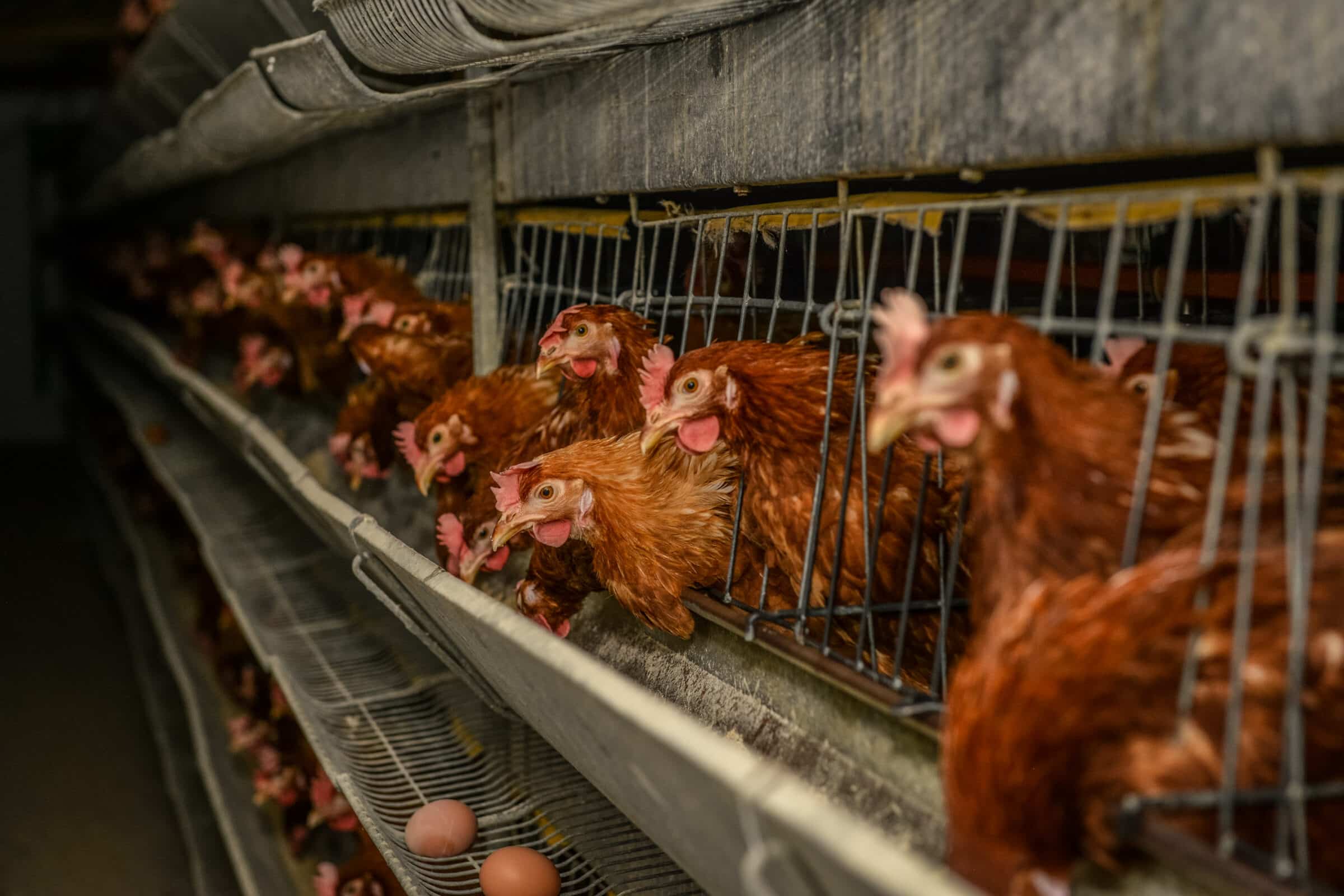
For the first time in decades, the New World screwworm—a devastating, flesh-eating worm—has been confirmed in South Texas. But this outbreak highlights the hidden cost of factory farming. Modern factory farming systems crowd vulnerable animals together by the thousands and routinely subject them to painful mutilations and other practices that leave open wounds—creating ideal conditions for parasites like screwworms to spread rapidly.
What began as a single detection has quickly escalated into a multi-case outbreak, sparking a frantic containment effort by Texas and federal animal-health officials. The U.S. government is concerned about the meat industry and is spending big money to build a new “fly factory” in Texas, where they will breed sterile male screwworm flies and release them into the wild to mate with females.
While the animal agricultural sector and headlines focus on the threat to the economy, the deeper story is about the industries we support, the animals that suffer, and the choices we make at the dinner table.
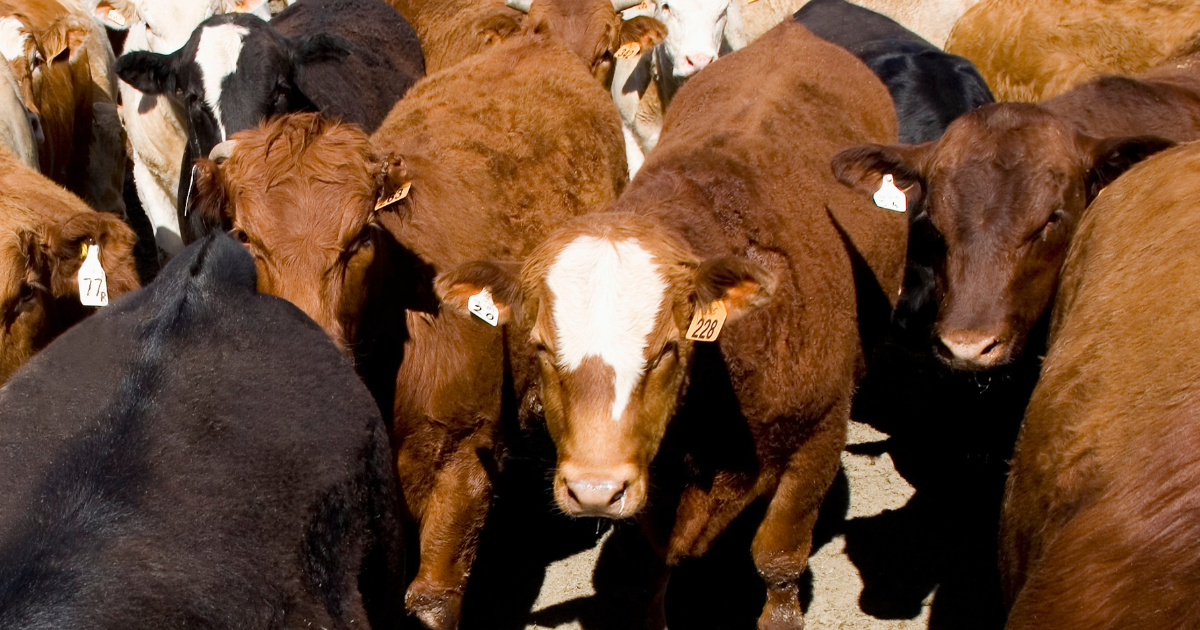
The New World Screwworm Outbreak
After being eradicated from the U.S. in the 1960s, the New World screwworm’s geographic footprint continues to expand rapidly. The U.S. Department of Agriculture has confirmed three new cases, including the first cases detected in dogs and goats. This brings the nation’s total count to five cases across Texas and New Mexico.
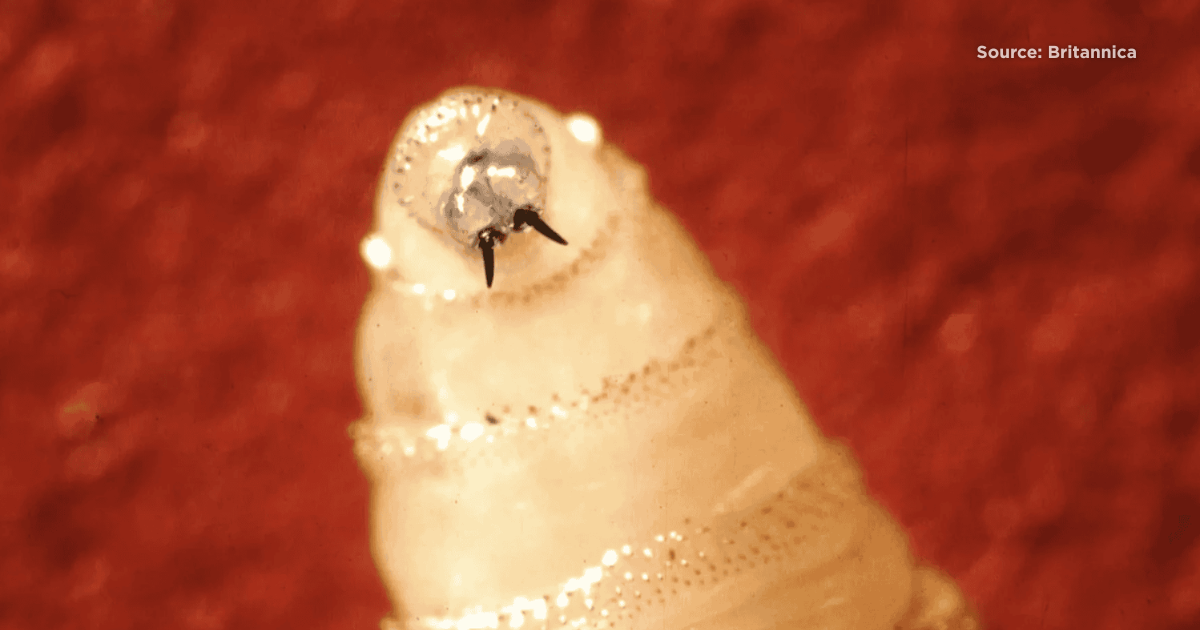
What is the New World Screwworm?
New World screwworms are the larvae of a parasitic fly that lays eggs in open wounds or body openings. This includes injuries, branding scars, or even the fresh umbilical cords of newborn animals. When the maggots hatch, they burrow (screw) into tissue with their sharp mouth hooks. Left untreated, injuries caused by these larvae are often fatal.
While the screwworm primarily targets cows and other farmed animals, no warm-blooded animal is safe. Wildlife, beloved companion animals like dogs and cats, and, in rare cases, humans, are all highly susceptible.
Symptoms to look for in your animals include:
- Shaking, irritation, or visible distress.
- The presence of rotten flesh, or seeing/feeling maggots (larvae) moving within a wound, sore, ears, nose, eyes, or mouth.
- Painful skin wounds or sores that worsen rapidly within a few days.
- A foul, distinctive odor coming from the site of the injury.
- Bleeding or discharge from open sores.
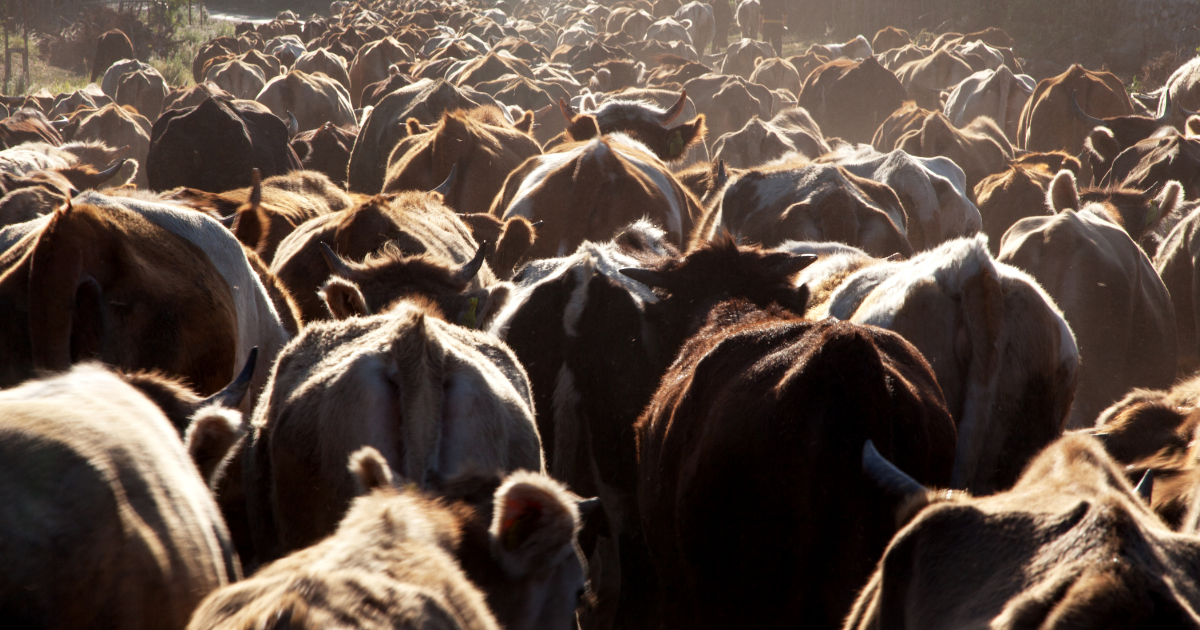
A System Built on Vulnerability
How did a parasite eradicated over half a century ago find its way back? The answers lie within the inherently cruel and crowded conditions of modern animal farming. The very industry the government is scrambling to protect is the very machine that nourishes and spreads these parasites.
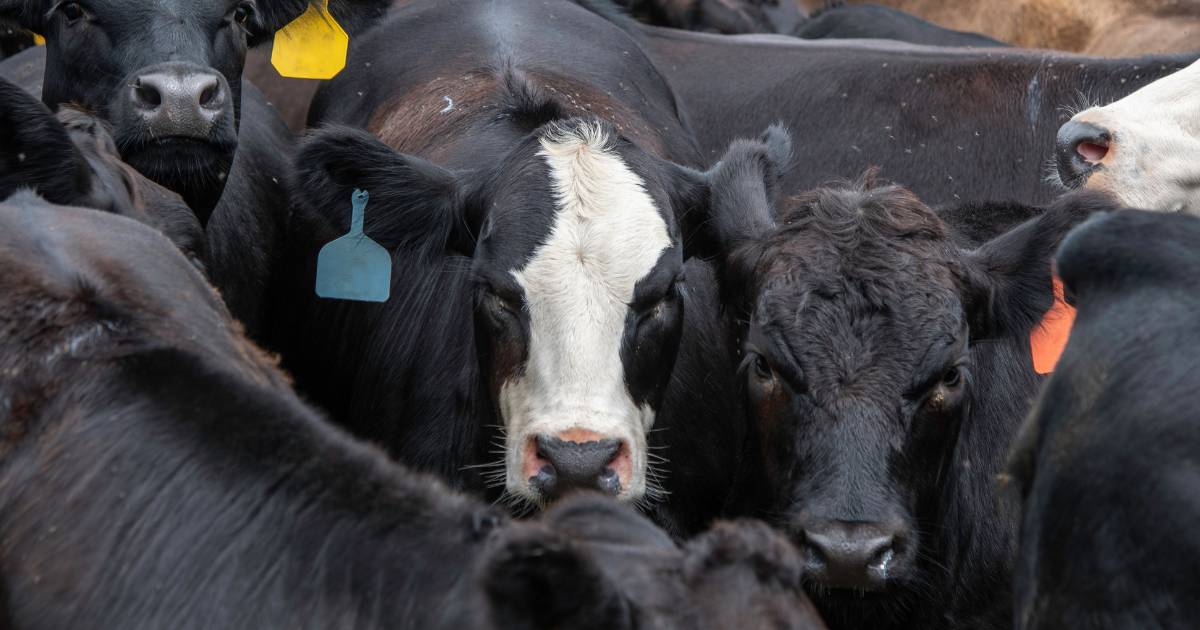
Texas is home to one of the nation’s largest industries raising cows for food, meaning millions of animals are confined in feedlots and pastures. In these environments, open wounds are an everyday reality.
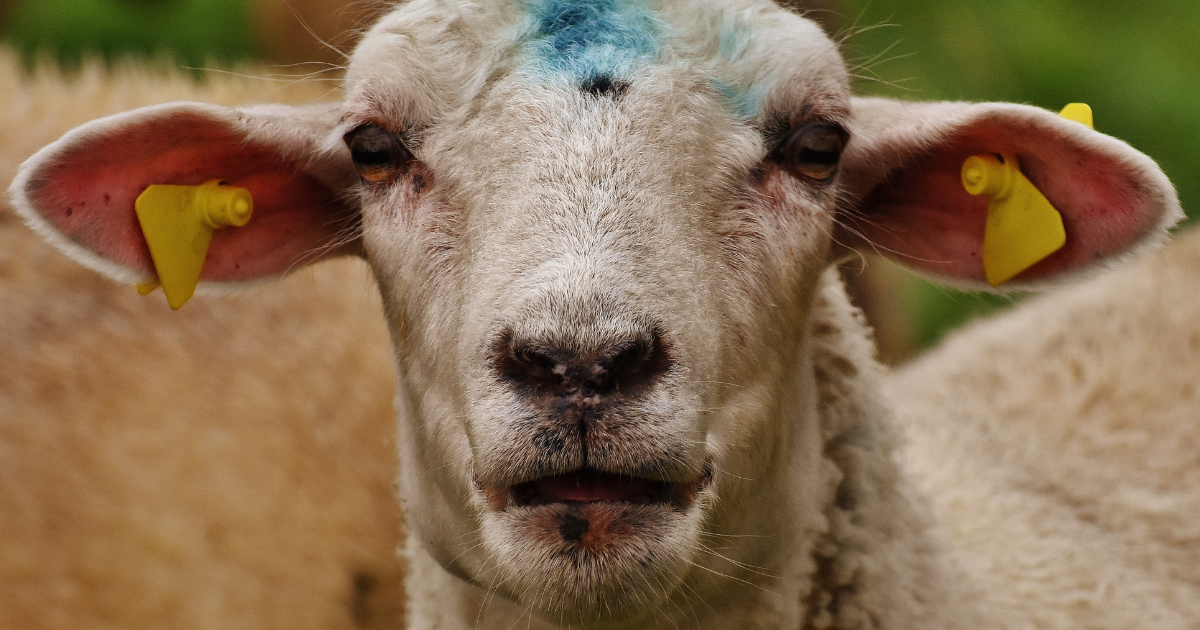
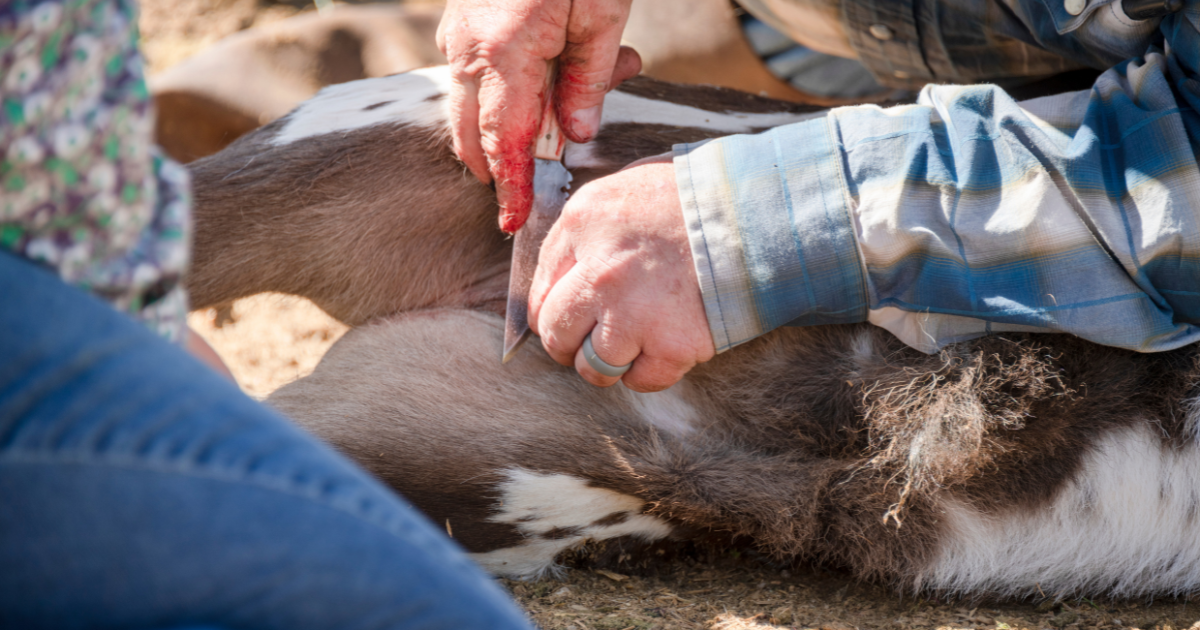
Farmed animals are routinely subjected to crowded, stressful conditions and painful mutilations like castration, dehorning, tail docking, ear-tagging and branding—all of which leave open raw wounds that practically invite screwworm flies to lay their eggs. Even the umbilical cord of a newborn calf, born on a factory farm, becomes a target. Furthermore, transporting stressed, potentially infected animals across state lines is the fastest way to turn a local outbreak into a national catastrophe.
Once again, the factory farming system puts everyone at risk. When animal agriculture operations invite parasitic outbreaks, wildlife, beloved animal companions, and local communities ultimately pay the price.
How You Can Take Action
We cannot rely on a broken system to fix a crisis it helped create. The most impactful way to stop fueling the industries that exploit animals and invite these horrific biological threats is to remove your support from them entirely.
By choosing plant-based foods, you are voting for a safer, more compassionate food system—one that doesn’t rely on preventable suffering of vulnerable living beings or invite the return of a flesh-eating worm. It’s time to change what’s on our plates.
Join us in choosing kindness. Download your free Veg Starter Guide today.