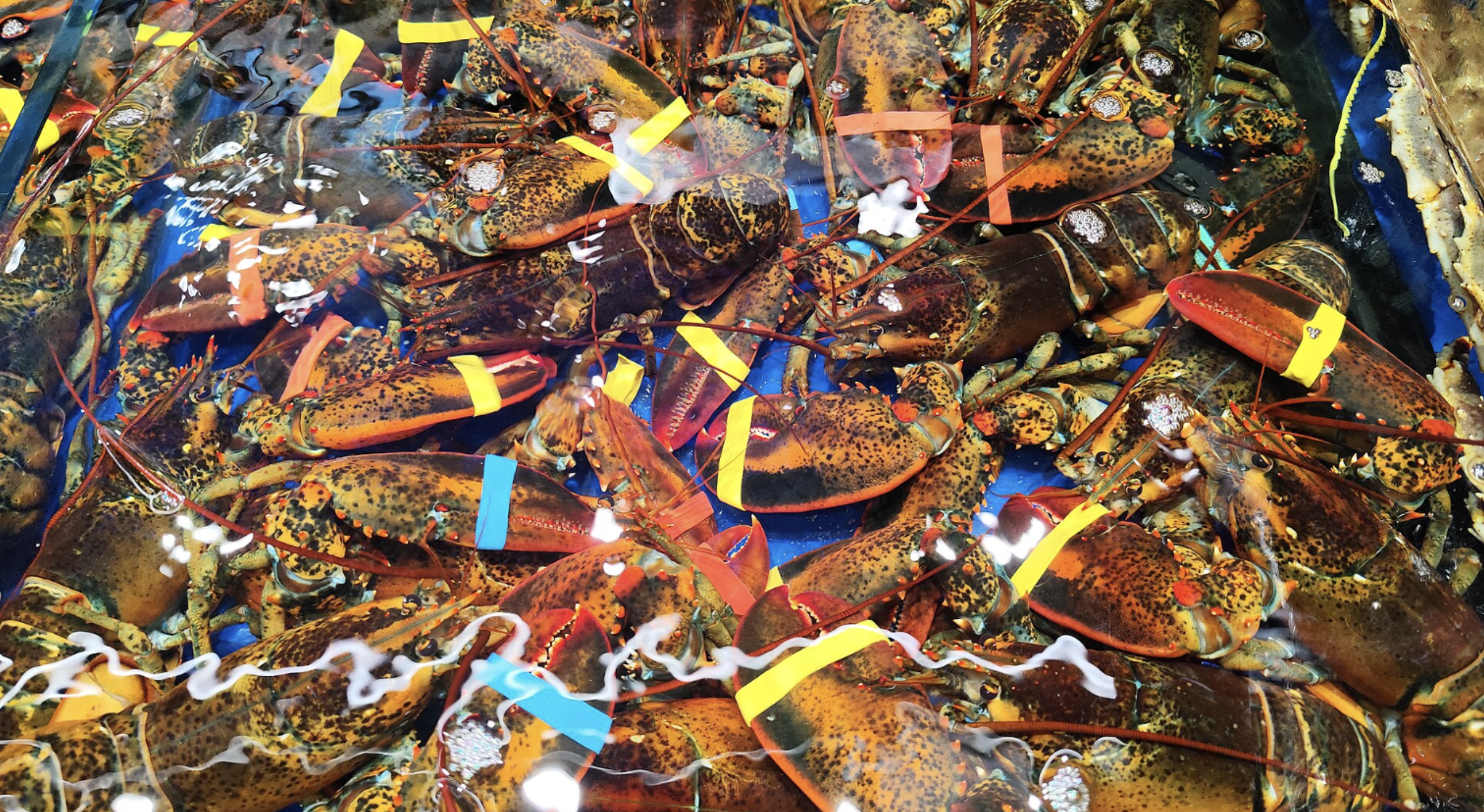
If you’ve ever walked past a crowded glass tank of crabs at the grocery store or seen a lobster try to climb out of a pot, you recognize distress. Yet across the United States, crustaceans are routinely dropped into boiling water while fully conscious. New York City could soon take a historic step for animals: banning the practice of boiling crustaceans alive in restaurants.
A newly introduced bill, sponsored by Council members Oswald Feliz and Harvey Epstein and championed by Voters For Animal Rights, would prohibit restaurants from boiling lobsters, crabs, and other crustaceans alive, in light of growing scientific evidence that these animals can experience pain.
While the legislation has yet to pass, it represents an important shift in how we view and protect animals who have long been overlooked. It’s common sense that resonates everywhere:
Animals shouldn’t endure an agonizing death for a meal.
A Wave of Historic Victories for Animals
For decades, aquatic animals and invertebrates have been excluded from animal welfare protections, allowing practices that would never be tolerated for land-based animals to continue unchecked. This proposal comes amid growing momentum for animal protection in New York City and beyond.
Just this month, New York City signed a historic law to phase out horse-drawn carriages by June 2028, following years of advocacy. Meanwhile, voters in Washington, D.C., and Denver approved bans on foie gras, a controversial product made by force-feeding ducks and geese until their livers become severely enlarged.
New York City passed its own foie gras ban in 2019, though legal challenges have delayed enforcement.
Together, these developments send a powerful message: Practices once accepted as normal are increasingly being challenged in the name of compassion.
Decades of Progress for Animals Around the World
Around the world, Mercy For Animals has helped turn compassion into meaningful legal protections for animals.
In 2026, we helped mobilize support for a historic nationwide ban on foie gras in Brazil. In the United States, we’ve helped advance landmark protections, including Washington State’s 2024 ban on octopus farming, Arizona’s 2022 protections for hens in the egg industry, and California’s Proposition 12, which prohibits extreme confinement practices. Our advocacy has also helped secure protections for mother pigs in India, challenging the cruel confinement of animals in gestation and farrowing crates.
These victories are proof of what’s possible when advocates come together to expose cruelty, challenge powerful industries, and demand change.
The Future Is Kinder
Whether it’s a lobster spared from being boiled alive, a horse freed from pulling carriages, or a mother pig given room to move, every step forward matters.
And while there’s still much work ahead, one thing is clear: Together, we’re changing what’s acceptable, what’s possible, and ultimately, what’s legal.