Pick up an egg at the grocery store. It feels clean, smooth, and entirely ordinary. You pay about two dollars and some change for a dozen in the US, and then you walk away. What you do not see is what happened before that egg reached your hand.
Here is the reality: Every year, an estimated 7 billion newly hatched male chicks are killed worldwide. That is about 200 every second. They are killed because they cannot lay eggs and are not considered profitable by the egg industry.
The practice is called chick culling, and for most of my life, I had no idea it was happening. Most people have never heard of it.
Today, Mercy For Animals is working to change that.
Why Are Male Chicks Killed in the Egg Industry?
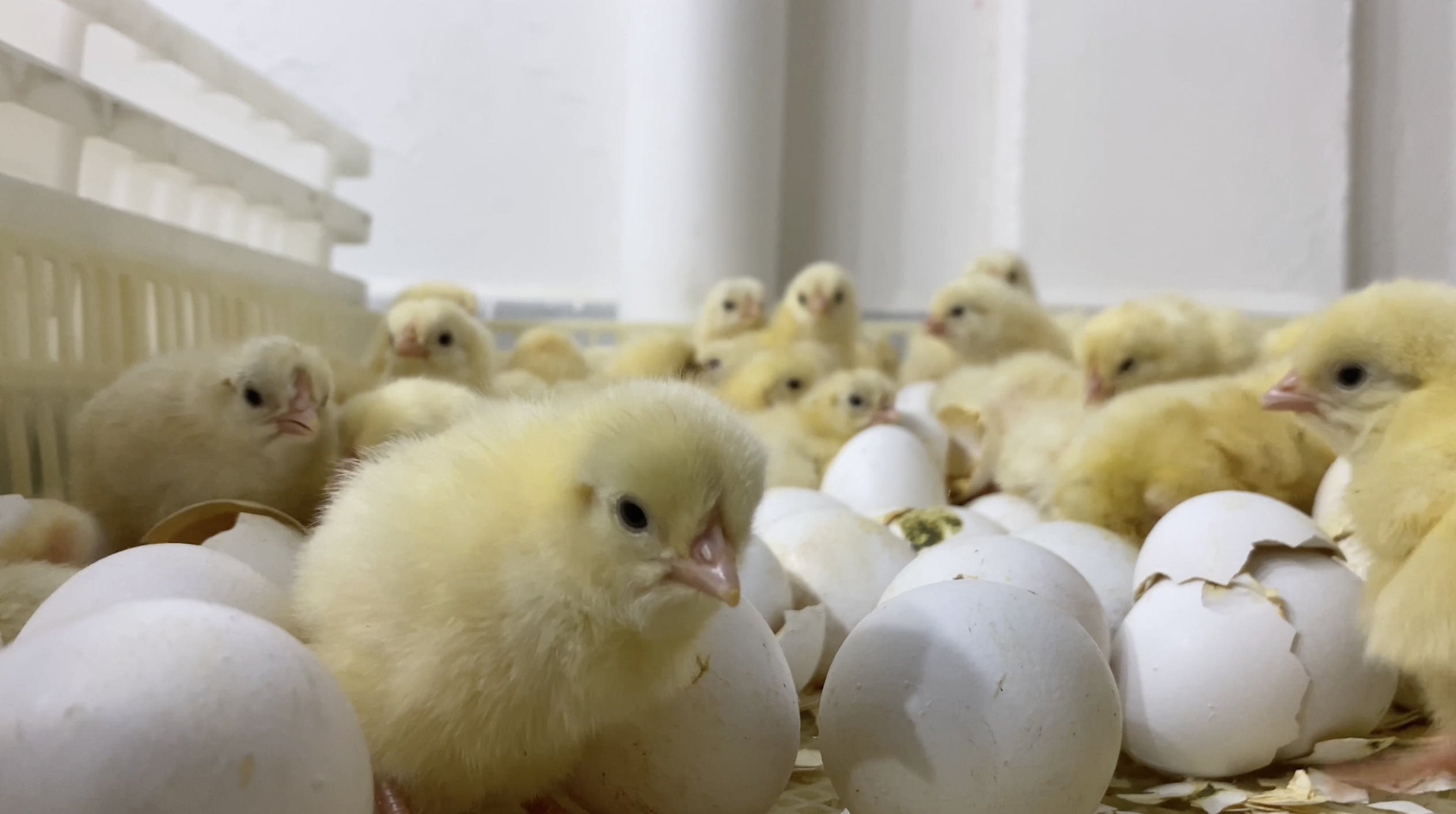
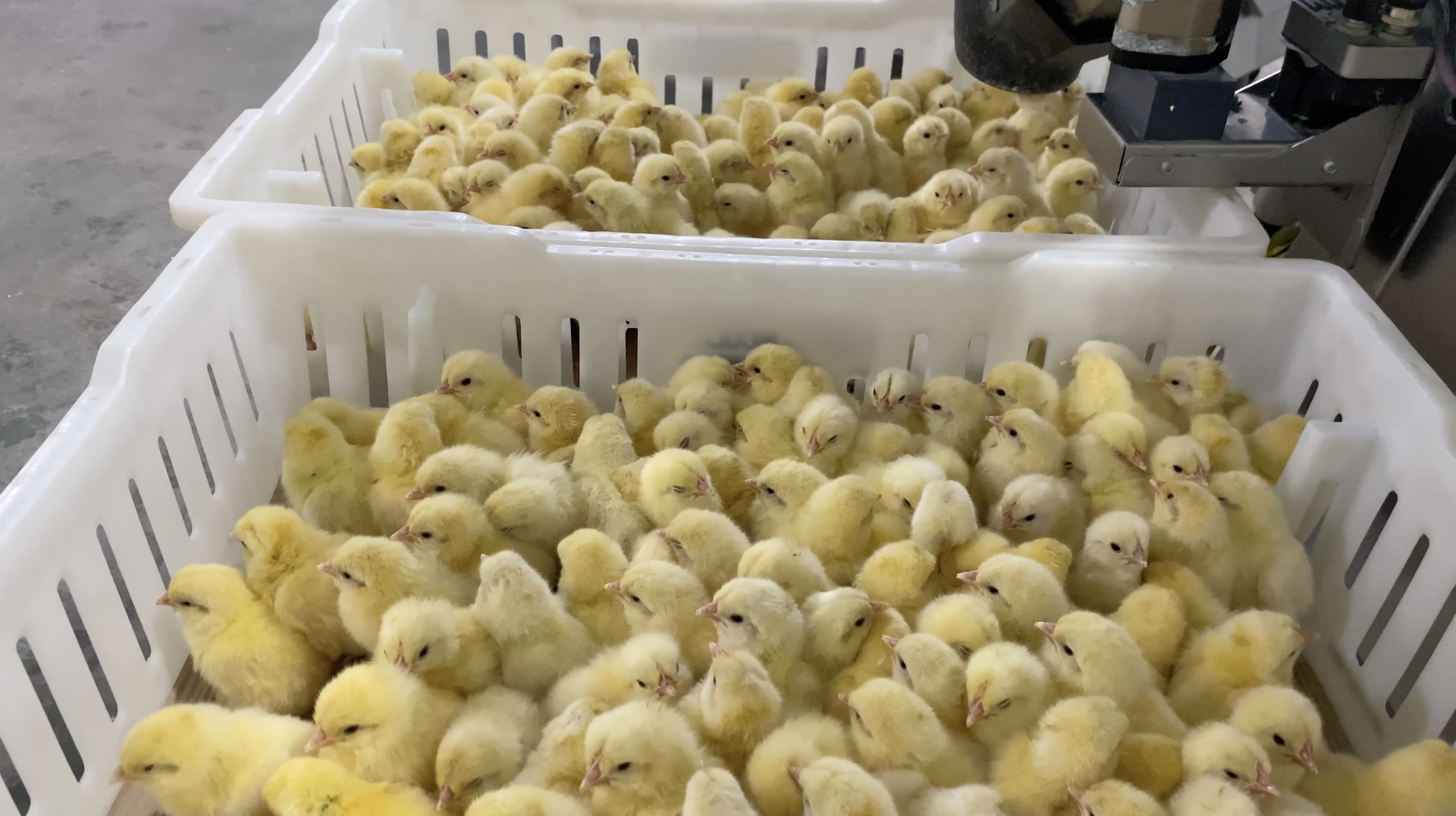
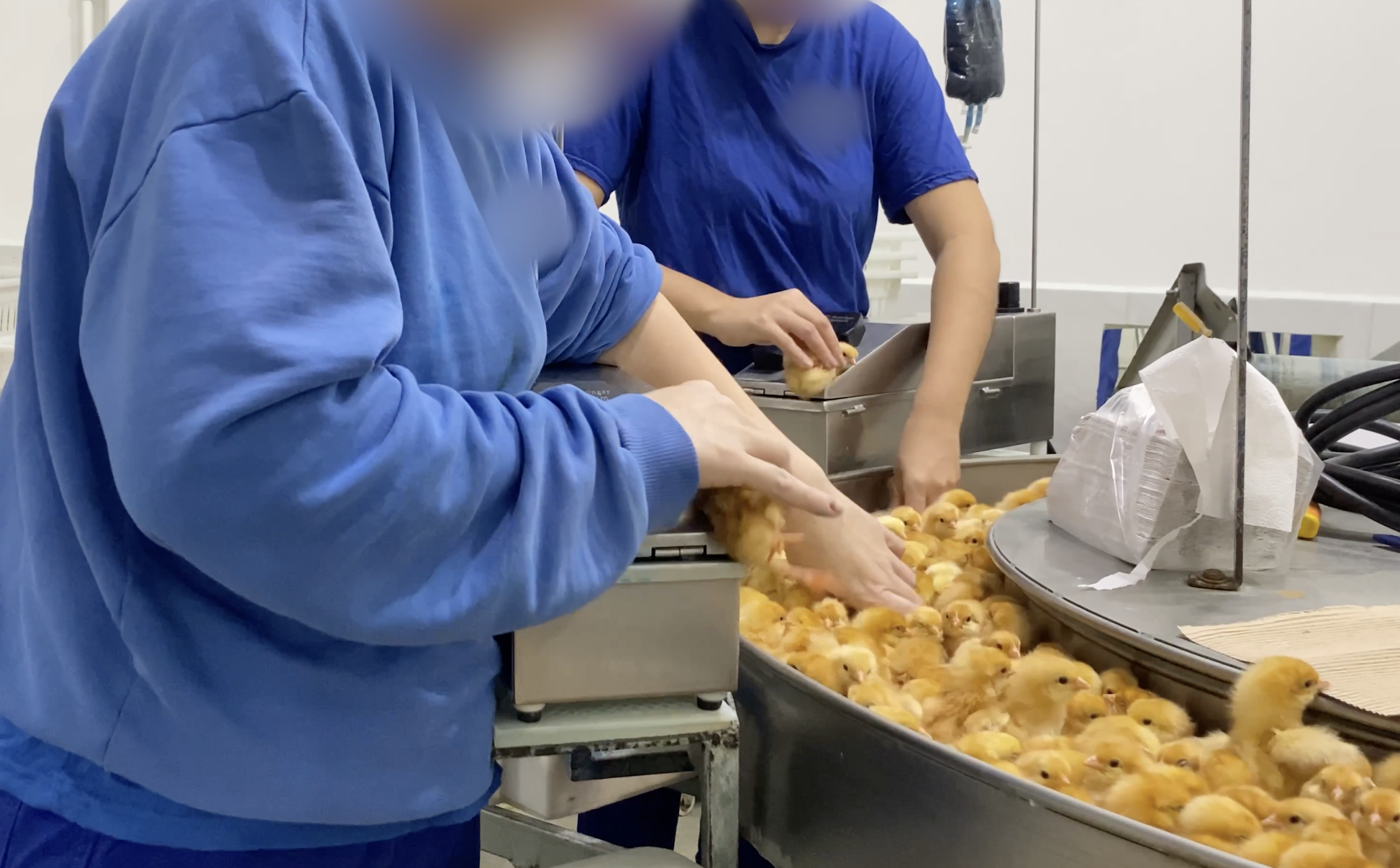
Shortly after hatching, chicks are separated by sex. Female chicks are raised for egg production. Male chicks are killed. Depending on the facility, common methods of chick culling include maceration (the act of grinding or shredding the animals alive) and gassing.
A new Mercy For Animals investigation provides a firsthand look at chick culling inside a commercial hatchery.
Our investigation documents newly hatched male chicks being forcibly separated from female chicks and killed shortly after hatching. It also documented deformed or unsold female chicks being discarded through the same cruel process.
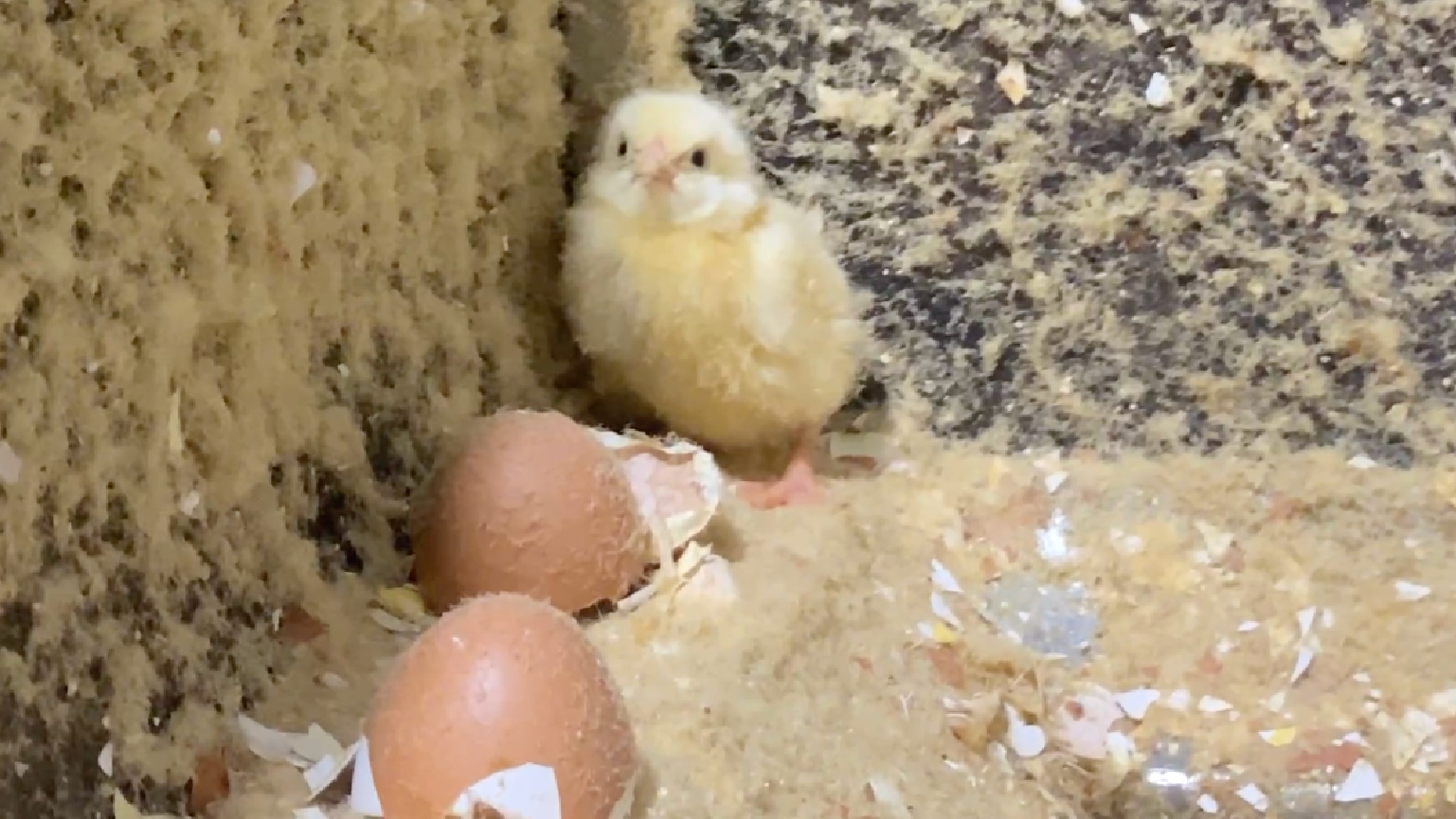
One investigator, Ricardo, watched male chicks scramble over metal machinery as they tried to escape. One chick managed to slip into a corner and hide for a few moments.
“All I wanted was for the worker not to notice him,” Ricardo said. “It was devastating to see that none of them were spared; they all ended up dead in a brutal way.”
I cannot get that image out of my head.
This investigation brings a largely hidden industry practice into public view. And once people understand what chick culling is and the enormous scale at which it happens, we have an opportunity to ask why it continues.
For decades, chick culling has remained a routine part of egg production.
Today, that is beginning to change.
What Alternatives to Chick Culling Exist?
In-ovo sexing technology can determine the sex of an embryo before hatching, eliminating the egg industry’s need to kill male chicks after they are born. Other available alternatives can also avoid chick culling.
These technologies are already being used commercially in some markets, demonstrating that chick culling is no longer an unavoidable practice.
Governments are acting too. Germany and France have banned the practice, with some exceptions, and companies and producers in other markets are beginning to adopt available alternatives.
Technology is one pathway forward, not the destination. The goal is to end chick culling.
The question is no longer whether chick culling can end. The question is why it continues when technologies and other available alternatives can eliminate the need for it.
What Is Mercy For Animals Doing to End Chick Culling?
Mercy For Animals has launched Crack the System, a global campaign to expose the realities of chick culling, bring this hidden practice into public view, and build support for ending it.
We are calling for a ban on the routine killing of newly hatched chicks and supporting policies and industry action that move egg production away from chick culling.
Ending chick culling will not address all animal welfare concerns in the egg industry. Our work for hens continues.
But we have an opportunity to end a cruel practice that kills billions of newly hatched male chicks shortly after birth every year.
How Can You Help End Chick Culling?
By bringing the truth about chick culling into public view, we can build the support needed for change.
A chick’s first day should not be their last.
Add your name to EndChickCulling.org and call for a ban on chick culling. Show companies, policymakers, and industry leaders that people expect better for animals.
Together, we can #CrackTheSystem and help make chick culling a thing of the past.
Arash Yomtobian is president and CEO of Mercy For Animals.